

Sony clarifies recent PlayStation DRM update
TLDR: Digitally-purchased games will be accessible long-term, after one early online check.

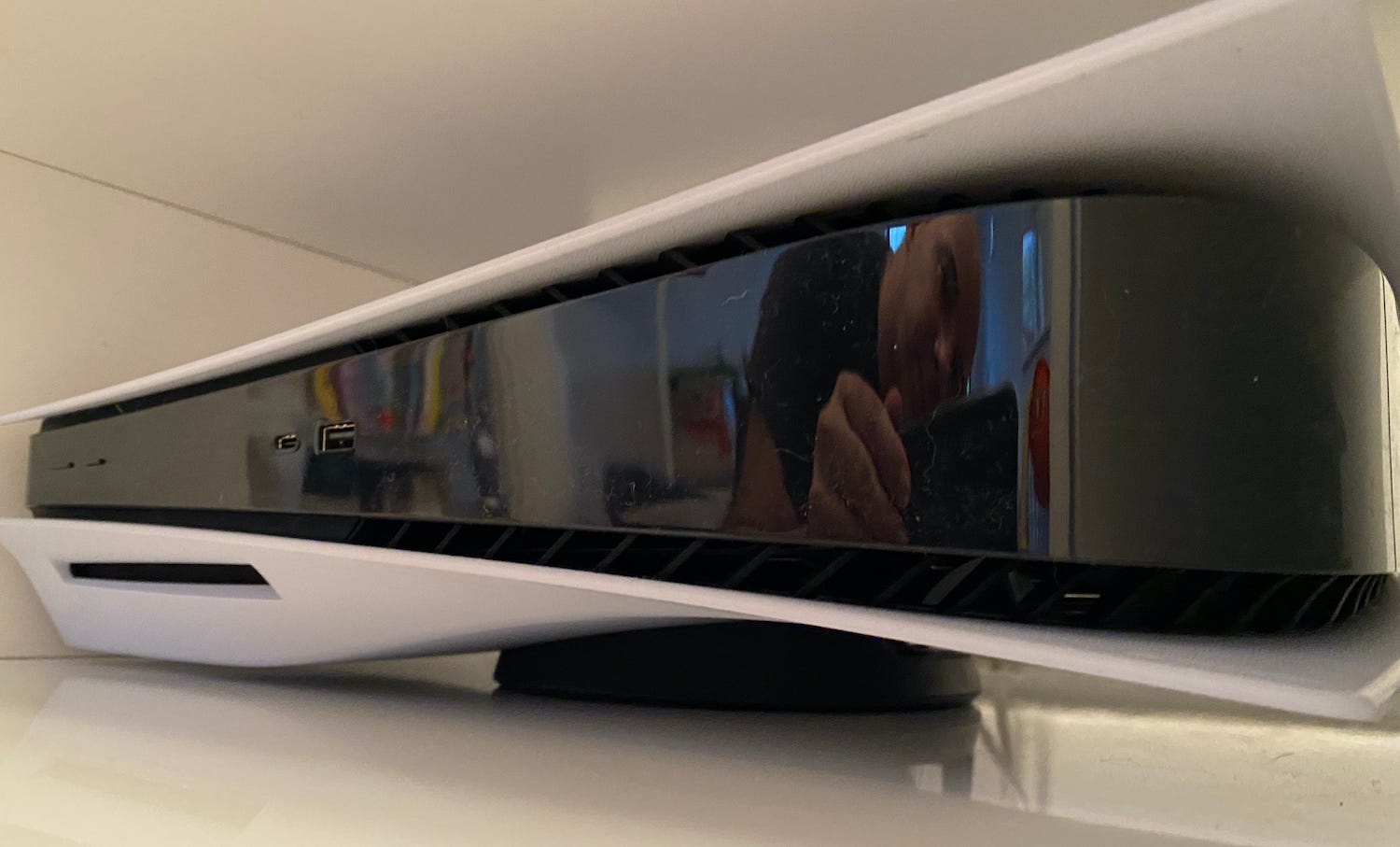
PlayStation fans and gaming preservations have been alarmed since late last week that a new 30-day timer attached attached to newly-purchased digital games for PlayStation 4 and 5 might render those games unplayable if the system they’re on is offline for longer than a month.
But a rep from Sony told Game File today that new system will require only a single online check before it functions as a perpetual license for the digitally purchased game. That is consistent with a newer theory that emerged by gamers testing the 30-day timer over the last two days.
“Players can continue to access and play their purchased games as usual,” a rep for PlayStation told me over email. “A one-time online check is required after purchase to confirm the game’s license, after which no further check-ins are needed.”
The rep’s explanation squares with the current understanding among players about what’s happening.
A multi-day mystery
A post last Friday by YouTuber Lance MacDonald spread awareness over the 30-day timer. Quickly, players began stress-testing the system, removing a battery within their PlayStations and checking what would happen if their systems were offline past the timer window. They noticed that setting a PS4 or PS5 to be the “primary” console—a common Sony-authorized method to retain rights to a digital game—wasn’t overriding the 30-day limit.
On Tuesday came the breakthrough: A gamer called Andshrew on the Resetera forums posted the results of some tasting. They found that digital games purchased on PS4/PS5 after some time in mid-April would get a 30-day timer that could then be removed and replaced with a perpetual license that would allow the game to be played offline. The transition to the perpetual license occurred some number of days after the digital game was purchased and the system was connected to the internet. They believed that a PlayStation’s online check-in would trigger the license change no sooner than 15 days after the user had purchased the game. This synced with the theory that Sony’s new system is related to the 14-day window that PlayStation users have to request a refund for digitally purchased games. The new timer/check-in system could be a way to defeat some exploit in that refund system, some users theorized.
In a follow-up, I asked the Sony rep if the 15-day timeline is accurate or if the perpetual license can be activated sooner after purchase. If they share more, I’ll update this post.
Sony has not said why they’ve introduced the timer and whether it is designed to stop people from exploiting the refund system.
But their explanation suggests that this new DRM method should not result in long-term loss of access to digitally purchased games, just because a PlayStation is offline for a month or Sony’s servers are down.
Xbox flashback
For many some gamers, the initial reporting of the 30-day timer conjured memories of Microsoft’s disastrous May 2013 announcement of the Xbox One, which was going to require an internet-connected check-in once a day, lest your games become unplayable.1 After widespread backlash, Microsoft abandoned that plan, ahead of the Xbox One’s launch.
Fun fact: That 24-hour check-in detail was my scoop from an interview I had that day with then-Xbox exec Phil Harrison. I was EiC of Kotaku at the time and rushing from one Xbox One preview appointment on Microsoft’s campus to another. I phoned the news in to reporter Jason Schreier, who wrote it up for the site.
This was the first I'd heard of it!
Fun fact about me: I flat-out refuse to purchase things digitally from Sony. And neither of them have anything to do with PlayStation, which is completely arbitrary and capricious on my part. There are two things in their corporate history that earned my eternal spite:
1) The infamous 2000s "we put rootkits on our music CDs" scandal
2) The recent "We are deleting some of your Crunchyroll 'purchases', because reasons" outrage
Something about those incidents just completely zeroed my faith. Even if the people running PlayStation would never do something so dastardly, I do not trust the Sony corporate mothership as far as I could throw it.
The plus side to this is that whenever it's time to upgrade to a new generation of PlayStation I usually have a nice fat stack of physical games to trade in along with the old console.
This was such a huge PR miss on their part.